
Innovations in Residential Real Estate
Explore how technology shapes modern homes for better living experiences.
Residential real estate is evolving with innovations in smart home technology, energy efficiency, and sustainable design. Developers now integrate IoT devices to automate lighting, security, and climate control for enhanced comfort and convenience. These smart living projects reduce energy consumption through efficient appliances and renewable energy solutions.
Modern architecture focuses on maximizing natural light, ventilation, and space utilization while creating healthier and more comfortable living environments. Mixed-use developments combine residential, retail, and recreational spaces to create vibrant communities that support modern urban lifestyles.
Affordable housing initiatives use cost-effective construction methods to improve accessibility, while luxury villas and premium apartments deliver world-class amenities, aesthetics, and personalized living experiences.

Key Components of Commercial Developments
Discover features that drive successful commercial real estate projects.
Commercial real estate development depends on strategically designed office parks, retail centers, hospitality venues, and industrial zones. Office parks are designed with scalability and productivity in mind, offering flexible layouts and employee-friendly amenities.
Retail spaces focus on visibility, accessibility, and customer flow through well-planned layouts and premium locations. Hospitality projects including hotels and serviced apartments cater to business travelers and modern lifestyle demands in key urban areas.
Industrial and logistics zones support manufacturing and distribution operations while aligning with smart city infrastructure and sustainable urban development initiatives.
Essentials of Effective Project Management
Understand how planning and execution ensure construction success.
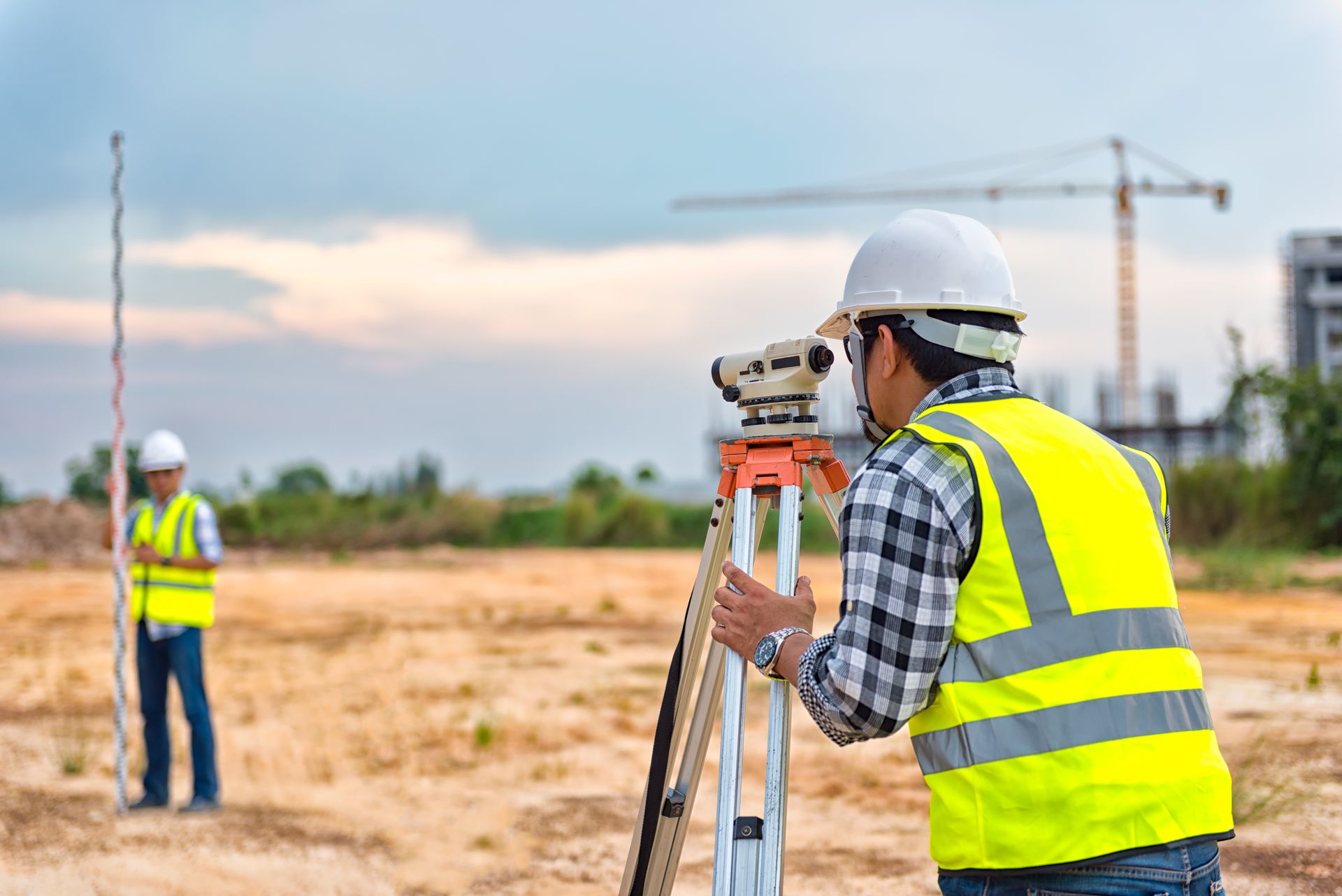
Effective project management in real estate involves detailed planning, timely execution, cost control, and quality assurance. Initial phases include feasibility studies, land evaluation, and risk assessments to ensure project viability and long-term sustainability.
Construction management includes contractor coordination, workflow monitoring, regulatory compliance, and schedule management. Budget optimization and real-time project tracking systems help maintain financial control and transparency.
Regular site audits, material inspections, and communication with stakeholders ensure quality standards are maintained throughout the project lifecycle, resulting in successful and timely project delivery.

Strategic Marketing for Real Estate Success
Learn how marketing strategies boost project visibility and sales.
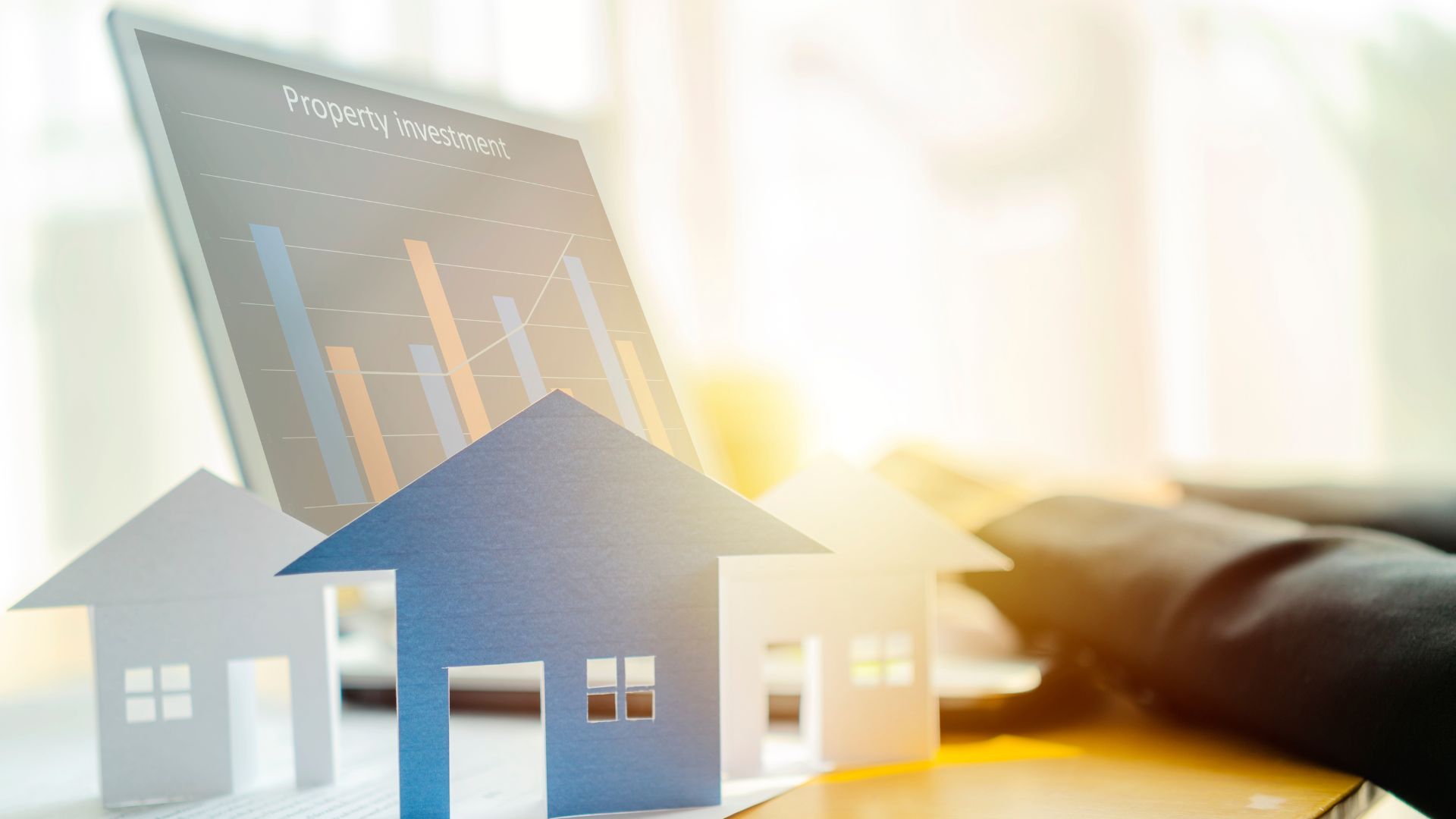
Strategic marketing in real estate combines digital and traditional methods to effectively reach targeted audiences. Digital marketing includes social media campaigns, SEO strategies, and online advertising to generate leads and improve customer engagement.
Traditional marketing activities such as events, print promotions, outdoor branding, and investor engagement strengthen market presence and customer trust. Strong branding and positioning create project identities that connect with buyer aspirations.
Collaboration with regional and global partners further expands business opportunities, drives innovation, and strengthens long-term growth within the competitive real estate market.
Frequently Asked Questions
Find answers to common questions related to residential, commercial, project management, and real estate development services.
Residential options include luxury villas, affordable housing, mixed-use communities, and smart living projects designed for diverse needs.
Commercial spaces like office parks, retail complexes, hospitality venues, and industrial zones provide infrastructure essential for economic activities.
Services include planning, construction management, cost control, scheduling, and regular quality audits to maintain standards and timelines.
Technology enables smart homes with automated systems for energy efficiency, security, and sustainable living enhancements.
Combining digital campaigns, traditional media, investor relations, and strong branding helps increase project visibility and buyer engagement.
Yes, investors can collaborate through transparent partnerships and joint development initiatives to share risks and rewards.
They blend residential, retail, and recreational spaces creating vibrant neighborhoods with convenient access to amenities.
Regular audits and material inspections ensure construction meets safety standards and client expectations.
They support manufacturing, logistics, and smart city infrastructure, boosting local economies and employment.